When individual you adore starts off to slip out and in of the current, time starts to go another way. A ten‑minute shower can really feel like a marathon. A overdue‑nighttime wandering episode can flip a relaxed night time into a search party. Families who care for a figure or associate with Alzheimer’s or yet one more type of dementia elevate a quiet, relentless workload: medicine reminders, meal prep, supervision, reassurance by means of confusion, and the emotional labor of seeing any person alternate. Respite care exists to present families room to breathe, improve, and regroup with no forsaking the man or women they love.
Respite care is short‑time period, versatile enhance that steps in so a well-known caregiver can step out. It will probably be as quick as about a sunlight hours hours or as long as a few weeks, and it might show up at dwelling house or in a community surroundings like assisted living for seniors or a specialised memory care group. The finest respite feels seamless for the man or women with memory loss and restorative for the caregiver. It’s now not only a timeout, it’s a safe practices characteristic for the complete family members device.
Why brief breaks make a protracted difference
The numbers are stark yet practical. Caregivers for folks with dementia spend, on normal, 20 to 40 hours a week on care duties, with spikes all over wellbeing and fitness variations or behavioral signs and symptoms. Many juggle jobs, young ones, or their personal overall healthiness topics. Burnout doesn’t announce itself with a drum roll. It displays up as decision fatigue, irritability that wasn’t there earlier, or a nagging cold that lingers for weeks. Short breaks interrupt that slide.
From years of running with families, I’ve considered a sample. After a number of periods of respite care, caregivers report snoozing because of the evening a minimum of two times a week, catching up on preventive appointments they’ve postponed, and returning with greater patience for repetitive questions or resistance to bathing. The consumer receiving care continuously reward too. Professional respite carriers bring regular exercises, structured events, and a relaxed demeanor that will limit agitation. When caregivers go back replenished, dwelling vigour improves, which can translate to fewer behavioral escalations. It sounds sensible, yet it transformations a higher set of possibilities you are making.
What respite appears like in practice
Respite is not very one service. Think of it as a toolkit you'll be able to customise. In‑domestic respite sends a expert caregiver in your door for a set variety of hours. Adult day techniques supply daylight hours supervision, ingredients, and routine in a bunch surroundings. Residential respite involves a quick keep at an assisted dwelling or memory care group, probably from a couple of days to a few weeks. Some households integrate treatments: a weekly adult day application for social engagement, plus in‑home aid on errand days, plus one or two planned residential stays a yr so the domestic can trip.
In‑homestead respite works effectively for people who turn into distressed in new environments. A caregiver can arrive mid‑morning, dine with the one you love, move for a accepted nearby stroll, and instruction a pleasing afternoon. The handoff occurs in a known house, with the domestic rhythm intact. Adult day techniques shine for people who perk up around others. Participants ceaselessly respond neatly to music, paintings, delicate train, and cognitive games, all paced by way of group who understand dementia. Transportation might be included, which simplifies logistics. Residential respite is appropriate for times when the caregiver must be utterly away for distinct days, while the home demands fix or variation, or when a ability lengthy‑time period circulate is on the horizon and you choose an ordeal run in reminiscence care or assisted dwelling.
The exact blessings for memory care needs
Memory loss transformations how somebody techniques the world. Noise might possibly be threatening, choices overwhelming, and unexpected responsibilities disorienting. Respite services educated in dementia care use approaches that lower friction. They ward off quizzing that sounds like a examine. They dialogue with brief, concrete sentences. They provide two trouble-free preferences other than a menu. They stay up for sophisticated cues of suffering, like fidgeting or pacing, and respond early with a switch of job or a quiet space.
In communities that supply memory care, residential respite mainly mirrors the format of long‑term stays. There are secured out of doors areas for risk-free wandering, clean signage, shadow containers backyard rooms to reinforce identity, and hobby calendars designed around recollect‑tremendous subject matters: good sized band song, lawn duties, folding towels, sorting buttons. Small info rely. A typical emblem of soap could make a bath triumphant. Dining employees plate nutrients with contrasting colors so the meal is easy to see and devour. When anyone feels equipped, dignity returns, even in small pulses.
Families every so often trouble that respite will confuse their loved one. That can ensue, incredibly in moderate to overdue ranges. Yet with careful making plans, the reward assuredly outweigh the disorientation. Short, predictable stays at the same neighborhood, scheduled at everyday periods, can construct familiarity. Staff can arrange a memory profile with footage, favourite routines, and calming thoughts. The man or woman would possibly not remember the last visit, however their frame in many instances recognizes the rhythm.
Emotional reduction isn't always a luxury
Most caregivers will inform you they may be able to push by tiredness. The tougher element is the invisible grief. You’re dropping shared tales in truly time. Jokes that once landed now not make experience. Arguments flare over small things like socks or spoons for the reason that keep an eye on feels adore it’s slipping on each sides. Respite presents you time to suppose what you suppose without an target audience. Some caregivers use the spoil to take a hike and cry in the automotive. Others meet a friend who is aware, or nap for three hours and eat some thing scorching at a desk that does not additionally maintain capsule organizers.
There’s additionally a relational gain. When the user with dementia is supported through anybody who is just not their significant other or little one, outdated roles can surface for about a hours. A wife will be a spouse back, now not in basic terms a nurse. An adult son can drop by means of as a visitor and discuss baseball, now not simply hygiene and money owed. Those moments can convey you for weeks.
Practical planning: methods to make respite work smoothly
The first step is to opt your purpose for respite. Do you need predictable weekly hours or a block of days? Are you getting ready for a surgical operation, a piece shuttle, or a long‑not on time family unit reunion? Clarity facilitates fit the provider to the need. Next, consider your beloved’s tolerance for change. People in early tiers might also have fun with wide variety. Those in mid to overdue levels would possibly opt for repeated routines and faces.
When determining a provider, observe the personnel in motion. Watch how they greet residents, whether or not they crouch to eye level, and the way they manage a repetitive question. Ask about team of workers instruction extraordinary to dementia, no longer just primary elderly care. Probe ratios right through days and nights. For in‑homestead care, request the comparable caregiver for continuity and ask how the company handles remaining‑minute name‑outs. Test power with a quick shift earlier than an extended one. If your beloved one resists, frame the respite worker as anyone who desires their assist with a job. Many of us with memory loss respond to reason greater than to aid.
Bring the surroundings into the plan. If by using grownup day, visit the room on the time of day the one you love would be there. If smells, lighting fixtures, or noise think intense, ask approximately quieter corners or different schedules. For residential respite, percent commonplace bedding, popular music on a primary speaker, completely satisfied attire with smooth closures, and a temporary “About Me” photo: former profession, spare time activities, morning choices, words that soothe, words that agitate. Include particular notes including “Call him Coach,” or “Offer tea after 3 pm to preclude night agitation.”
Medication lists should be proper, with dose, timing, and aim. If there’s a PRN nervousness or sleep guide, clarify triggers and thresholds. Provide copies of enhance directives and emergency contacts. And percentage small rituals that subject: the prayer before nutrients, the banana in the past morning capsules, the night time TV educate that alerts bedtime.
Safety, oversight, and the what‑ifs
Dementia care carries disadvantages, and households have a appropriate to push for specifics. If the user wanders, what are the elopement protocols? Are exit doorways alarmed? If a fall happens, how are households notified and what point of assessment occurs on web page? For in‑homestead care, what classes do caregivers receive in switch recommendations to prevent harm? Does the service provider bring satisfactory legal responsibility assurance and worker's’ compensation? If you prefer to rent privately, plan for backup protection and payroll, taxes, and harm insurance policies. Convenience includes business‑offs; transparency reduces surprises.
Infection manage stays related. Ask about vaccination policies, symptom screening, and cleansing workouts. In person day applications, look at hand hygiene between movements and sooner than nutrients. For residential respite, request the room’s deep‑cleansing time table and air flow main points, primarily if the one you love has a chronic lung situation.
Behavioral adjustments can emerge for the duration of respite, commonly simply because the adult feels surprising cues or misses you. This does now not suggest respite failed. It indicators a need to modify. Shorten the stay, agenda at some point of very best hours, or pair with a comforting object or recorded message. If misery constantly escalates, reconsider in good shape. An assisted living putting is likely to be too open; a smaller reminiscence care loved ones with fewer residents would experience safer.
Cost and insurance plan devoid of sugarcoating
Families customarily ask why respite fees what it does. The short answer is staffing. Memory care requires expert workers at bigger ratios than familiar senior care. In many markets, in‑homestead respite runs more or less 28 to forty dollars per hour, with minimums of 3 to four hours in line with shift. Adult day classes vary extensively, from about 60 to 120 cash according to day, pretty much consisting of foodstuff and actions. Residential respite in assisted residing or memory care is mostly priced consistent with day, most commonly among one hundred fifty and 350 money, depending on care needs and quarter, with a required minimum live.
Medicare does now not conceal hobbies respite in most occasions, other than for a limited hospice receive advantages that enables up to five days of inpatient respite for caregiver remedy when the affected person is on hospice. Medicaid protection varies by means of nation and waiver program. Veterans may possibly qualify for in‑residence or facility‑stylish respite thru VA systems. Long‑term care coverage more commonly incorporates a respite gain, yet you must examine elimination durations, day-to-day caps, and documentation requisites. Some person day methods provide sliding scales. If you run a financial evaluation, come with the can charge of caregiver burnout and clinical complications averted by good enough relax. It does no longer make the bill smaller, however it clarifies fee.
How respite connects to the bigger care journey
Dementia shouldn't be a straight line. There are plateaus, sudden dips, and lengthy stretches of maintenance. Respite shall be a bridge during transitions: publish‑hospital restoration, treatment changes, or a move from domestic to assisted living for seniors. Using residential respite at the related neighborhood you’re keen on for long‑time period memory care is principally priceless. Your cherished one attempts the ambiance with out a permanent dedication. You determine group of workers follow‑simply by, verbal exchange taste, and the intangible feeling you get on a Tuesday afternoon whilst the advertising and marketing team is not really show.
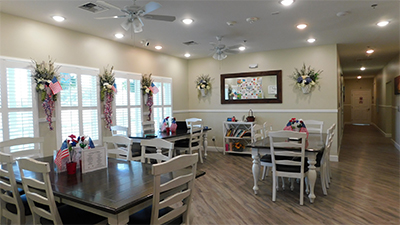
Some households fear that attempting reminiscence care even in brief signs give up. I call to mind it as increasing the workforce. The intention remains to be your loved one’s dignity and comfort. There are seasons while pro constitution, protect spaces, and 24‑hour oversight should not just important however useful. A brief remain can evade a challenge later. I’ve watched households who embraced planned respite extend permanent placement via months or years when you consider that the caregiver had the electricity to hold. I’ve additionally considered households use respite to soften what was an emergency pass, packing thoughtfully, introducing group of workers, and growing a standard nook sooner than the primary nighttime.
Reducing guilt by using grounding in documents and compassion
Guilt flourishes in isolation. It tells you that while you loved bigger, you'll now not desire lend a hand. It ignores sleep technology, caregiver well-being archives, and the truth that dementia care can also be a 24‑hour job. Evidence persistently hyperlinks caregiver pressure to higher hospitalization costs for the two caregiver and care recipient. One gain knowledge of found out that caregivers with high strain were more likely to exploit emergency rooms for non‑emergent troubles, probable because choice reserves had been depleted. Taking a deliberate smash reduces reactive judgements. That is just not indulgent. That is a protecting aspect.
If guilt nonetheless shouts, redefine luck. Success is just not doing every little thing on my own. Success is designing a safe, humane life for the one you love and your self. On a few days that looks as if a quiet walk and a shared cookie. On other days it looks as if handing the keys to a depended on respite group so you can sleep in a dark room, wake with out an alarm, and come back because the edition of yourself which can climate repetition with grace.
Common stumbling blocks and ways to navigate them
Two matters derail respite normally: waiting too lengthy to start, and first attempts which are too long or too frustrating. If your beloved one has on no account had another man or woman grant care, commence with an introduction consult with at the same time you continue to be at house, then step out for a quick errand. Build tolerance. The 2nd pitfall is over‑explaining. Long, logical causes about why a helper is coming can backfire. People with reminiscence loss examine tone more than content. A plain, self-assured creation works most advantageous: “This is Maria. She’s here to have lunch with you and take a stroll when I go to my appointment.”
Another mission is domestic dynamics. Siblings would disagree approximately expenditures or probability. Naming the objective allows: “We are purchasing balance. We are fighting burnout.” If individual resists on idea, recommend a time‑restricted trial with clear measures of success, consisting of fewer middle of the night incidents, more advantageous caregiver sleep, or lowered agitation in the course of the witching hour. Bring files to come back to the communication.
Transportation may additionally be a barrier for grownup day techniques. Ask approximately door‑to‑door selections, and be sure how body of workers address past due arrivals or refusals to board. If refusals are popular, check out a favorite staff member or peer to greet at pickup, or pivot to in‑domicile toughen at some point of the equal hours to take care of caregiver relax.
The caregiver’s record for a low‑rigidity respite start
- Define your respite aim and time table: weekly hours, day application days, or designated in a single day dates. Choose the atmosphere aligned with the one you love’s tolerance: in‑home, person day, memory care, or assisted living. Prepare a one‑page profile with workouts, choices, triggers, and calming ideas. Pack or level usual items: apparel, toiletries, tune, snacks, and pix. Set standard, reassuring language for handoffs and stick with it.
Integrating respite into everyday senior care
Respite works perfect as a rhythm, not a rescue. Put it on the calendar and secure it. Pair respite hours with tasks that restoration you, not simply chores. Yes, use a while for groceries and coverage calls, yet reserve a component for pleasure or relax. Only you could do the nap for your mattress, the espresso with a friend who makes you chortle, or the walk at the path that reminds you you’re nonetheless you.
Over time, visual display unit how demands substitute. Early on, in‑abode beef up for a few hours should be would becould very well be a whole lot. As reminiscence adjustments develop, grownup day can offer format and social touch that you can actually’t replicate at domestic. Later still, overnight respite at a memory care neighborhood may be the safest preference. Assisted residing environments that provide each usual senior care and a devoted memory care community deliver flexibility if your loved one’s demands shift. Ask regardless of whether a network can scale capabilities without a disruptive circulation, and the way they make stronger a resident who has an incredible day observed by way of a complicated week. Dementia does now not admire tidy classes, and remarkable companies know tips to customize inside of them.
Small reviews that illustrate the point
A retired trainer, mid‑level Alzheimer’s, resisted help at house however beloved correcting grammar on a whiteboard. His kin framed adult day as a “volunteer tutoring morning.” Staff located him close to a be aware activity and invited his talent. He attended three occasions every week for months, his agitation at home dropped through part, and his spouse reclaimed her publication membership.
Another family unit used residential respite in memory care in the time of a bathing room redecorate to install take hold of bars and a roll‑in bathe. The live lasted ten days. Staff discovered that the resident settled with the odor of orange peel. They stored a bowl by his chair. The rework prevented a long term fall, and the group become a depended on backup for future breaks.
One caregiver, a nurse by way of trade, believed she need to be capable of do all of it. Her physique said or else. After two fainting spells from exhaustion, she scheduled in‑domestic respite twice every week for four hours. The first 3 visits have been rocky. By week 3, her husband with vascular dementia begun to greet the caregiver as a pal. The nurse moved from apologizing to planning. “Every Tuesday, I nap,” she advised me, “and on Thursdays I sit down through the window with the nice gentle and sew.” Her blood rigidity normalized. She kept her job. Her endurance back.
Final techniques price preserving close
Respite care isn't a detour from remarkable care. It is portion of it. Families handling assisted living memory loss need more than important intentions. They desire sleep, backup, and room to be employees with needs of their own. Whether you pick just a few hours of in‑abode reinforce, a animated adult day software, or short stays in assisted dwelling or memory care, you are adding shape to a hindrance that has a tendency to resolve with no it.
If you're still hesitating, are trying a small pilot. Book two afternoons 3 weeks aside. Keep notes on what adjustments at domestic, for both of you. Tweak variables: time of day, company, actions, handoff script. Care is a apply. You gets more advantageous at it with gear that match, and respite is one of the most such a lot strong methods I comprehend.